
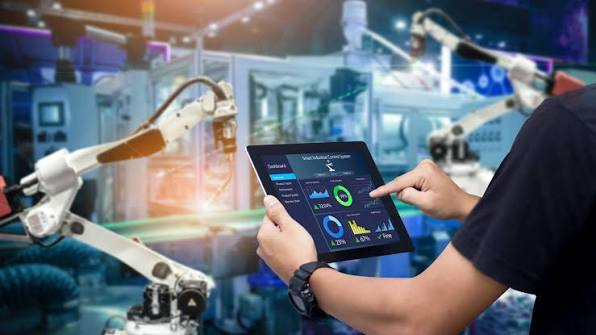
Technology has become one of the most powerful forces shaping the modern world. From improving communication to transforming industries, digital advancements are creating opportunities that were once impossible to imagine. Businesses, individuals, and communities are using innovative solutions to solve problems, increase productivity, and explore new possibilities. The rapid growth of artificial intelligence, automation, cloud computing, and digital platforms is opening doors for entrepreneurs, professionals, and creators across the globe. In today’s connected world, platforms such as luxury111cz.com are examples of how digital spaces continue to expand opportunities and create new ways for people to engage with technology.
The Growing Influence of Technology in Everyday Life
Technology is no longer limited to computers or smartphones. It has become an essential part of daily activities, influencing how people work, learn, communicate, and access services. Smart devices, online platforms, and digital applications have simplified many tasks and provided faster solutions.
Modern technology allows people to connect instantly regardless of geographical boundaries. Video conferencing tools, social networks, and collaboration platforms have transformed communication, making remote work and global partnerships more practical. These developments have created new career paths and business opportunities for people who can adapt to digital environments.
Technology has also improved access to information. Online learning platforms, digital libraries, and educational applications enable individuals to gain knowledge from anywhere. This has created opportunities for students, professionals, and lifelong learners to develop new skills and remain competitive in a changing job market.
Artificial Intelligence Creating New Possibilities
Artificial intelligence (AI) is one of the most influential technologies driving innovation today. AI systems can analyze large amounts of data, automate complex processes, and provide valuable insights that help businesses make better decisions.
Companies are using artificial intelligence to improve customer experiences, optimize operations, and develop innovative products. AI-powered tools assist industries such as healthcare, finance, education, and manufacturing by increasing efficiency and accuracy.
For individuals, artificial intelligence is creating opportunities in fields such as data analysis, machine learning development, software engineering, and AI-based entrepreneurship. People who learn how to use AI tools effectively can improve their productivity and discover new ways to solve challenges.
The growth of AI also encourages creativity. Designers, writers, developers, and entrepreneurs are using intelligent technologies to generate ideas, automate repetitive tasks, and focus more on innovation. Instead of replacing human creativity, AI is becoming a valuable partner that helps people achieve more.
Digital Transformation and Business Growth
Businesses around the world are experiencing major changes due to digital transformation. Companies are adopting online systems, e-commerce platforms, cloud solutions, and data-driven strategies to reach customers more effectively.
Small businesses especially benefit from technology because digital tools allow them to compete with larger organizations. Entrepreneurs can now create online stores, market products through social media, and connect with customers worldwide without requiring significant physical infrastructure.
Cloud computing has also changed the way businesses operate. Organizations can store information securely, access software remotely, and collaborate efficiently. This flexibility reduces costs and allows companies to respond quickly to market changes.
Technology-driven business models are creating opportunities for startups and innovators. New companies are emerging in areas such as fintech, online education, digital healthcare, and sustainable technology. These industries continue to grow because technology provides solutions to modern challenges.
The Rise of Remote Work Opportunities
One of the biggest changes brought by technology is the expansion of remote work. Digital communication tools, project management platforms, and cloud-based applications allow employees to work from almost anywhere.
Remote work has created opportunities for professionals who previously faced limitations due to location. Freelancers, consultants, developers, designers, and online entrepreneurs can now offer services to international clients.
This shift has also encouraged companies to hire talent from different regions, creating a more diverse and flexible workforce. Employees benefit from improved work-life balance, while businesses gain access to a wider pool of skilled professionals.
As technology continues to improve, remote and hybrid work models are expected to become even more common. This creates opportunities for individuals who develop digital skills and understand how to collaborate effectively in online environments.
Technology Transforming Education and Learning
Education is another area experiencing significant transformation through technology. Digital classrooms, online courses, and interactive learning tools have changed how knowledge is shared.
Students can access educational resources from leading institutions around the world. Online certifications and skill-based training programs help people prepare for emerging careers in technology, business, healthcare, and creative industries.
Technology also supports personalized learning. Artificial intelligence can analyze learning patterns and recommend resources based on individual needs. This approach helps students learn more effectively and develop skills at their own pace.
For educators, technology provides new methods for teaching and engaging students. Virtual classrooms, multimedia resources, and digital assessment tools make education more interactive and accessible.
The Impact of Emerging Technologies
Emerging technologies such as blockchain, the Internet of Things (IoT), robotics, and virtual reality are creating new opportunities across multiple sectors.
The Internet of Things connects devices and allows them to exchange information automatically. Smart homes, intelligent transportation systems, and connected healthcare devices are examples of how IoT improves efficiency and convenience.
Blockchain technology is creating opportunities beyond digital currencies. Its secure and transparent structure is being explored for applications in supply chain management, financial services, identity verification, and data security.
Virtual and augmented reality technologies are also opening new possibilities. Businesses use these technologies for training, marketing, entertainment, and product visualization. These innovations provide immersive experiences that were previously unavailable.
Technology and Entrepreneurship
Technology has lowered barriers for entrepreneurs who want to build new businesses. Today, individuals can turn ideas into successful ventures using digital tools, online marketing strategies, and global platforms.
Social media has become a powerful resource for entrepreneurs. Businesses can promote products, build communities, and communicate directly with customers. Digital marketing allows even small companies to reach targeted audiences efficiently.
Technology also supports innovation by providing access to resources that were once expensive or difficult to obtain. Website builders, automation tools, analytics platforms, and online payment systems allow entrepreneurs to operate more effectively.
Young professionals and creative individuals are especially benefiting from technology because they can develop careers around digital skills. Content creation, software development, online consulting, and digital design are examples of fields that continue to expand.
The Role of Technology in Creating Sustainable Solutions
Technology is also inspiring opportunities in environmental sustainability. Renewable energy solutions, smart agriculture, and efficient resource management systems are helping address global challenges.
Advanced technologies allow organizations to monitor energy usage, reduce waste, and improve environmental performance. Solar energy innovations, electric transportation, and smart systems are contributing to a more sustainable future.
Agricultural technology is helping farmers increase productivity through data analysis, automation, and precision farming techniques. These solutions create opportunities to improve food production while reducing environmental impact.
As sustainability becomes more important, technology-driven solutions will continue to create new industries and career opportunities focused on protecting the planet.
Developing Skills for a Technology-Driven Future
While technology creates countless opportunities, success in the digital age requires continuous learning. Individuals need to develop skills that allow them to adapt to changing environments.
Technical abilities such as programming, data analysis, cybersecurity, and digital marketing are increasingly valuable. However, soft skills such as creativity, problem-solving, communication, and adaptability remain equally important.
Learning how to use modern tools effectively can help individuals remain competitive. Online courses, professional communities, and practical projects provide opportunities to build valuable experience.
The future belongs to those who are willing to embrace change and continue improving their knowledge. Technology will continue evolving, and people who develop flexible skills will be better prepared to take advantage of new opportunities.
Conclusion
Technology is inspiring new opportunities by transforming the way people work, learn, communicate, and create. Innovations in artificial intelligence, digital platforms, automation, and emerging technologies are opening new possibilities for individuals and businesses worldwide.
The impact of technology extends beyond convenience; it is creating new industries, improving access to resources, and helping solve complex global problems. As digital transformation continues, those who embrace innovation and develop relevant skills will discover new paths for growth and success.
Technology is not just changing the future—it is actively creating it. By understanding its potential and using it responsibly, individuals and organizations can unlock opportunities that shape a more connected, efficient, and innovative world.