
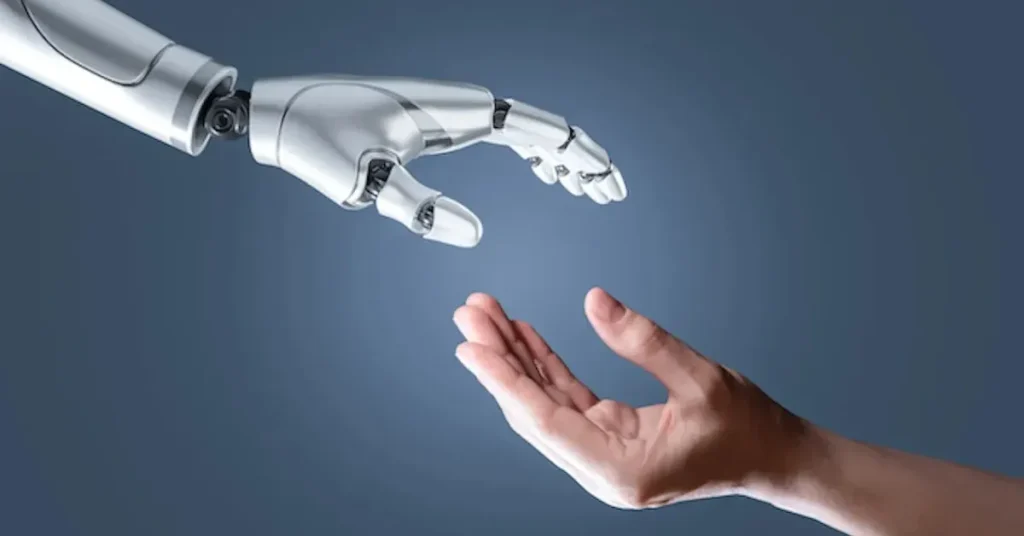
The way people live, work, communicate, and entertain themselves has changed dramatically in the digital age. Technology is no longer just a tool used occasionally; it has become an essential part of everyday life. From smartphones and artificial intelligence to online services and digital communities, people around the world are experiencing a major transformation in their lifestyles. Many modern digital platforms, including services connected with mild88a1.com reflect how online experiences are becoming more integrated into daily routines. These changes are influencing how individuals manage their personal lives, businesses operate, and societies develop.
The Rise of a Connected World
One of the biggest digital lifestyle changes happening globally is the growth of connectivity. The internet has connected billions of people, allowing instant communication regardless of distance. Social media platforms, messaging applications, and video conferencing tools have created new ways for people to interact with friends, family members, and professional networks.
In the past, communication depended heavily on traditional methods such as letters, phone calls, or face-to-face meetings. Today, digital platforms allow people to share information, exchange ideas, and build relationships within seconds. This constant connection has created a world where geographical boundaries are becoming less important.
The expansion of affordable smartphones and improved internet access has also helped bring digital services to more communities. Even in developing regions, people are increasingly using online tools for education, banking, shopping, and healthcare.
Digital Transformation of Daily Activities
Everyday tasks have become easier because of digital innovation. Activities that once required physical visits can now be completed online. People can shop for products, pay bills, order food, book travel, and access government services through digital platforms.
Online shopping has changed consumer behavior worldwide. Customers now expect convenience, fast delivery, and personalized recommendations. Businesses have adapted by creating digital stores and using technology to understand customer needs better.
Digital payment systems are another major lifestyle change. Mobile wallets, online banking, and contactless payments have reduced dependence on cash in many countries. These technologies provide faster and more secure financial transactions while making financial services accessible to more people.
The Impact of Artificial Intelligence on Modern Living
Artificial intelligence (AI) is one of the most influential technologies shaping the future of digital lifestyles. AI-powered tools are helping people complete tasks more efficiently and make better decisions.
Many individuals now use AI assistants for scheduling, research, writing, learning, and problem-solving. Businesses are using AI to improve customer service, analyze data, automate processes, and create personalized experiences.
Smart devices powered by artificial intelligence are also becoming common in homes. Smart speakers, automated lighting systems, security cameras, and connected appliances allow people to control their environments more easily. These technologies are creating smarter and more convenient living spaces.
The Growth of Remote Work and Digital Careers
The workplace has experienced one of the most significant digital transformations. Remote work, once considered unusual, has become a common practice for many organizations worldwide. Digital communication platforms allow employees to collaborate from different locations without needing traditional offices.
This shift has changed how people think about careers and work-life balance. Many professionals now have opportunities to work for international companies while living in their own countries. Freelancing platforms and online businesses have also created new career paths for millions of people.
Digital skills have become increasingly valuable in the modern job market. Knowledge of technology, online communication, data management, and digital marketing can provide individuals with more career opportunities.
Changes in Entertainment and Media Consumption
Entertainment habits have also been transformed by digital technology. Traditional television, newspapers, and physical media have been replaced or complemented by streaming services, online videos, podcasts, and digital publications.
People now have access to global entertainment content at any time. Streaming platforms allow users to watch movies, listen to music, and follow creators from different parts of the world. Social media has also created a new generation of digital influencers and content creators.
Gaming has become another major part of digital lifestyles. Online multiplayer games, virtual communities, and interactive experiences connect players worldwide. Digital entertainment is no longer limited to passive consumption; it has become a social and creative activity.
Digital Education and Learning Opportunities
Education has experienced a major shift because of digital technology. Online learning platforms, virtual classrooms, and educational applications have made knowledge more accessible than ever before.
Students can now learn from teachers and institutions located anywhere in the world. Digital resources such as online courses, tutorials, and interactive learning tools allow individuals to develop new skills at their own pace.
This transformation is especially important for people who may not have easy access to traditional educational institutions. Technology is helping reduce barriers and creating more opportunities for lifelong learning.
The Expansion of Digital Healthcare
Healthcare is another area where digital changes are making a significant impact. Telemedicine allows patients to consult healthcare professionals remotely, reducing the need for unnecessary travel.
Wearable devices and health applications help people monitor their fitness levels, track health information, and develop healthier habits. Digital medical records also improve communication between healthcare providers and help deliver more efficient services.
Technology is creating a more personalized approach to healthcare by allowing professionals to use data and advanced tools to better understand patient needs.
The Influence of Social Media on Modern Society
Social media has become one of the most powerful forces shaping digital lifestyles. It affects how people communicate, discover information, promote businesses, and express opinions.
Individuals can create personal brands, share experiences, and connect with communities that match their interests. Businesses use social platforms to reach customers, advertise products, and build relationships.
However, the growth of social media has also introduced challenges. Issues such as misinformation, privacy concerns, and excessive screen time have become important discussions in the digital era. Learning responsible digital habits is essential for maintaining a healthy relationship with technology.
Smart Cities and Digital Communities
Around the world, cities are adopting digital technologies to improve public services and quality of life. Smart city initiatives use data, sensors, and automation to manage transportation, energy, security, and infrastructure.
Digital systems can help reduce traffic problems, improve environmental management, and make public services more efficient. These developments show how technology is not only changing individual lifestyles but also transforming entire communities.
As urban populations continue to grow, digital solutions will play an increasingly important role in creating sustainable and efficient cities.
The Importance of Digital Security and Privacy
As people become more dependent on technology, digital security has become a major concern. Personal information, financial details, and online identities need protection from cyber threats.
People are becoming more aware of the importance of strong passwords, secure connections, privacy settings, and responsible online behavior. Companies are also investing heavily in cybersecurity to protect their users and maintain trust.
A successful digital lifestyle requires balancing convenience with safety. Understanding how to use technology responsibly is essential in today’s connected world.
Future Trends in Digital Lifestyle Evolution
The future of digital lifestyles will continue to be shaped by emerging technologies. Virtual reality, augmented reality, artificial intelligence, blockchain, and advanced automation are expected to create new experiences and opportunities.
Virtual environments may change how people work, socialize, and learn. AI systems may become more personalized and integrated into everyday activities. Smart homes and connected devices will likely become more advanced, creating even more automated lifestyles.
The challenge for society will be ensuring that digital progress benefits everyone while addressing issues related to privacy, accessibility, and responsible technology use.
Conclusion
Digital lifestyle changes are transforming the world in ways that were once unimaginable. Technology has changed how people communicate, work, learn, shop, entertain themselves, and manage their daily activities. These developments have created a more connected and convenient global society.
While digital transformation brings many benefits, it also requires awareness and responsibility. Protecting privacy, developing digital skills, and maintaining a healthy balance between online and offline experiences are essential for the future.
As technology continues to evolve, digital lifestyles will keep changing. The ability to adapt and use new tools effectively will help individuals and communities take advantage of the opportunities created by the digital world.