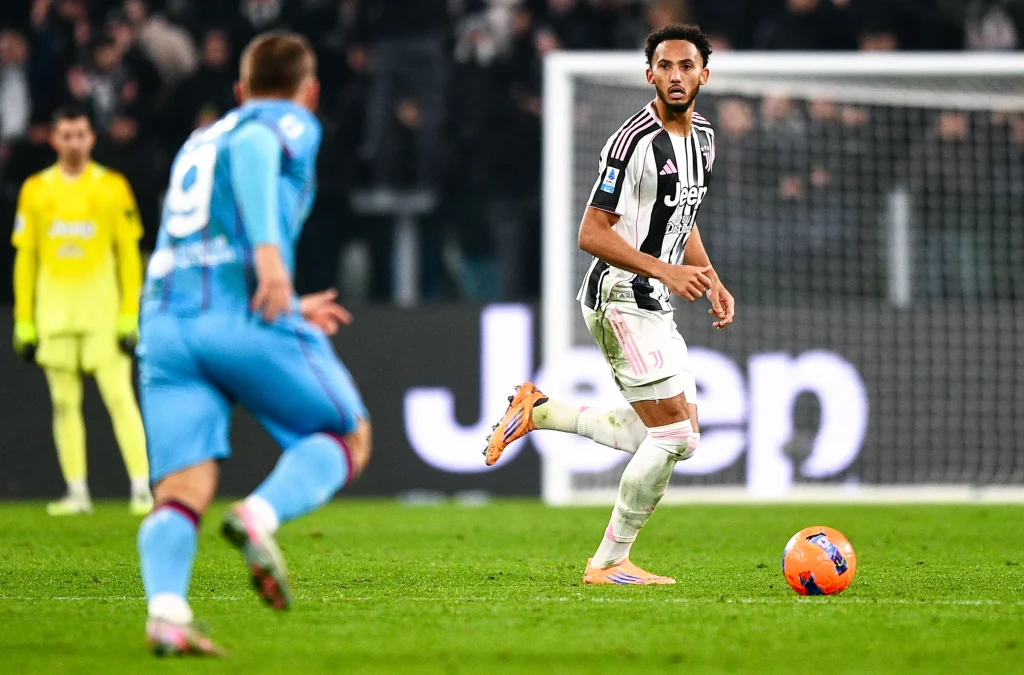
When both teams in a Serie A fixture commit to high pressure, the match dynamic changes immediately. These games are not defined by long possession chains or patient buildup, but by compressed time, rapid decision-making, and repeated physical and mental contests. Understanding why certain matchups escalate into mutual pressure battles helps explain why they feel chaotic, why momentum swings quickly, and why outcomes often hinge on short sequences rather than sustained dominance.
Mutual high pressure emerges from incompatible control strategies
High-pressure matchups usually occur when neither team is comfortable conceding initiative. Both sides attempt to control the game through disruption rather than possession. The cause is strategic incompatibility: each team believes pressing is the safest way to avoid being pressed. The outcome is a feedback loop where pressure invites counter-pressure. The impact is a match with very little stable rhythm.
This is common when two proactive coaches face each other, each unwilling to retreat into a passive block.
Pressing triggers multiply when both sides defend forward
When one team presses high, the opponent often responds by dropping deeper. When both press, triggers appear everywhere. Back passes, lateral touches, and even throw-ins become pressure signals. The cause is defensive orientation toward the ball. The outcome is constant engagement. The impact is rapid possession turnover and limited buildup time for either side.
These matches tend to cluster actions in midfield corridors rather than in settled defensive thirds.
Midfield density becomes the decisive battleground
In high-pressure games, midfielders are forced to operate under continuous contact. Space disappears vertically and horizontally. The cause is collective compression. The outcome is reliance on first touches and body positioning. The impact is that small technical advantages or disadvantages are magnified.
Mechanism: how pressure-on-pressure compresses passing lanes
When both teams step forward simultaneously, passing lanes close before the receiver can turn. This forces either immediate backward play or risk-heavy vertical passes. The mechanism explains why turnovers spike even among technically strong teams.
Why these fixtures produce momentum swings instead of control
Sustained dominance is rare in mutual pressing games. Because energy expenditure is high, teams cycle through brief phases of advantage. The cause is physical and cognitive fatigue. The outcome is short windows where one press falters. The impact is sudden chances, often from transition or second-ball situations.
These swings make the match feel volatile even when chances remain limited.
Matchups most likely to generate pressure from both sides
Before identifying the indicators, it is important to note that mutual pressure is not about league position. It is about stylistic collision. Certain team pairings almost guarantee intensity regardless of form.
Common traits of high-pressure Serie A matchups:
- Both teams rank low in PPDA across the season
- Forwards actively initiate defensive actions
- Midfields defend forward rather than screen space
- Defensive lines hold high starting positions
- Coaches resist dropping into mid-blocks
Interpreting these traits shows that pressure is a choice, not a reaction. When both teams make the same choice, intensity becomes unavoidable.
How mutual pressure reshapes attacking output
High-pressure matches often suppress shot volume while increasing chance volatility. Attacks are less structured, but defensive mistakes are more likely. The cause is reduced preparation time. The outcome is fewer clean buildups. The impact is that goals often arrive from errors, deflections, or rapid counters rather than designed patterns.
This explains why some high-intensity games finish with low xG but dramatic scorelines.
Reading high-pressure matchups during live play
From a live game reading perspective, mutual pressure is visible within minutes. Passing options vanish quickly, goalkeepers are involved early, and clearances travel shorter distances. When these signals persist, the match has settled into a pressure loop rather than a temporary phase.
Under situational conditions where both sides continue to defend forward, observing in-play market behavior through a betting interface such as member ufabet requires adjusting expectations. Possession statistics lose meaning, and price movement often lags behind fatigue-driven breakdowns. The cause is visual chaos masking structural predictability, the outcome is delayed reaction, and the impact is that pressure-heavy matches can remain tightly priced until a sudden error shifts everything.
Where pressure-on-pressure strategies fail
Mutual pressing collapses when one team breaks discipline first. A missed trigger, late substitution, or fatigue-induced hesitation opens space immediately. The cause is coordination loss. The outcome is exposed defensive lines. The impact is often a decisive goal rather than gradual decline.
Another failure case appears when one side introduces a calm ball-holder who can resist pressure, forcing the opponent to retreat or risk repeated bypasses.
Summary
Serie A matchups where both teams apply intense pressure are shaped by strategic collision rather than chance. Mutual pressing compresses space, accelerates decisions, and produces volatile momentum swings instead of sustained control. These games are defined by midfield density, short error windows, and fatigue-driven breakdowns. Understanding the structure behind the chaos allows clearer interpretation of why such fixtures unfold the way they do.